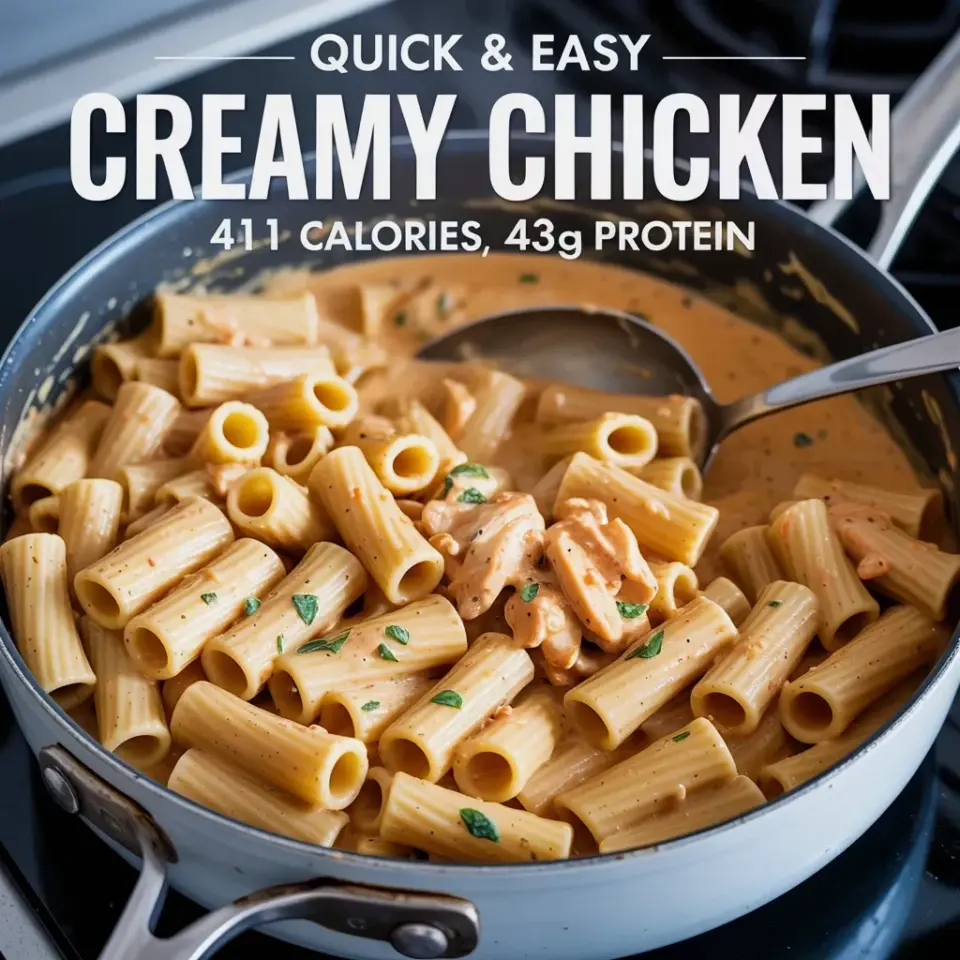
I have a confession. The first time I attempted creamy chicken rigatoni, it turned into a sticky, clumpy disaster. The chicken was dry, the sauce was a greasy puddle, and the pasta? Let’s just say it had the texture of soggy paper. Not my finest weeknight moment. But I tweaked things, learned from my flubs, and now this creamy chicken rigatoni is my absolute fastest, most reliable one-pan dinner. Honestly, it’s the meal I turn to when I’m too tired to think but still want something that feels like real food. It all comes together in a single pan, with tender chicken, perfectly cooked rigatoni, and that rich orange-white sauce that coats every tube. Fresh herbs on top make it look like I tried way harder than I actually did. Ready in under 30 minutes. Try it tonight and skip the takeout.
Mistake #1: Not Adjusting the Liquid Ratio for One Pan Pasta
The biggest blunder people make? They treat a one-pan pasta like a skillet dinner where you boil pasta separately. Here’s the thing: you need extra liquid because the pasta absorbs it directly in the pan. If you use the same amount of broth you’d use for a sauce, you end up with dry, crunchy rigatoni. Not gonna lie, I’ve been there.
For this creamy chicken rigatoni, start with about 2.5 cups of chicken broth for 8 ounces of rigatoni. The pasta will drink it up as it cooks, so that extra liquid is non-negotiable. You can always simmer off excess at the end, but you cannot add moisture back to undercooked pasta. That rule has saved me more nights than I can count.
- Use a ratio of roughly 2.5 to 3 cups liquid per 8 ounces of dry rigatoni.
- Bring it to a gentle boil, then drop to a low simmer immediately after adding pasta.
- Stir every couple minutes to prevent sticking. Yes, that’s extra effort, but it’s worth it.
How to Keep the Chicken Juicy (Not Dry and Sad)
Here’s a weird little detail: I once used frozen chicken breasts straight from the freezer because I was in a hurry. Don’t do that. It releases too much water, then steams instead of sears, and you end up with gray, rubbery chicken. Not cute. What actually works is cutting fresh chicken thighs or breasts into bite-sized pieces, then patting them dry with a paper towel.
Sear them in a little olive oil over medium-high heat, but don’t overcrowd the pan. If you dump everything in at once, the temperature drops and you get steamed chicken. I make this mistake less often now, but I still catch myself doing it when I’m hangry. Cook in two batches if you have to. The five extra minutes are worth the juicy result.
And here’s a pro tip: season the chicken directly with salt and pepper before cooking, not after. The salt helps brown the surface and actually locks in moisture. Plus, you get flavor in every bite instead of just on top.
Sauce Consistency: The Orange-White Glossy Dream
That rich orange-white sauce in the photo? It’s not complicated, but it is finicky if you rush it. The color comes from a combination of heavy cream and a little tomato paste. I know, tomato paste sounds odd for a creamy sauce, but it adds depth without making the dish taste like marinara. A tablespoon is enough for the whole pan.
The common mistake here is adding cream too early. If you pour it in while the pan is still on high heat, the cream can curdle or separate into greasy splotches. Okay, so here’s the fix: lower the heat to a gentle simmer before stirring in the cream. Let it bubble softly, not furiously. And if you want that glossy, coat-every-tube effect, finish the sauce with a small knob of cold butter off the heat. Swirl it in until it melts. That extra step makes the sauce look restaurant-quality, but nobody has to know how easy it was.
Choosing the Right Rigatoni (Size Matters)
I have a strong opinion about this. Do not use the tiny rigatoni that’s barely bigger than elbow macaroni. Look for the thick, cylindrical rigatoni with a wide hollow center. That’s what you see in the photo, those sturdy tubes that hold sauce inside and out. The bigger the tube, the better the sauce trap. And honestly, smaller rigatoni tends to overcook faster and turn mushy in a one-pan method.
Also, check the cooking time on the box. Some brands take 11 minutes, others take 14. I once used a quick-cook rigatoni and ended up with pasta sludge because I followed the timing for regular pasta. Adjust for your brand. Start checking at 8 minutes and pull it off the heat when it’s still slightly firmer than you want. The residual heat will finish the job.
One more thing: don’t rinse the pasta after it cooks. That washes away the starch, which is exactly what helps thicken the sauce. Let the starch do its job.
Common Mistake: Forgetting the Fresh Herbs (But Using Too Many)
The green flecks in the photo? That’s fresh parsley and maybe a little basil. It’s not just for looks, though it does make the dish feel fancy without effort. The mistake is either skipping them entirely (boring) or dumping in dried herbs that turn into grassy dust. Fresh herbs are a non-negotiable finishing touch for this creamy chicken rigatoni. But a little goes a long way. A small handful of chopped parsley and a few torn basil leaves are enough. Don’t drown it.
If you only have dried herbs, add them earlier in the cooking process so they rehydrate. Add fresh ones at the very end. And if you’re out of fresh herbs completely? A squeeze of lemon juice right before serving brightens the whole thing up. It’s a cheat code I use constantly.
One Pan Cleanup: How to Not Break Your Non-Stick Pan
Look at the photo again. That gray non-stick pan is the hero of this meal. But non-stick pans have a weak spot: high heat and metal utensils. Use a wooden spoon or silicone spatula to stir, especially when scraping up any browned bits. The first time I used a metal spoon, I scratched the surface and the next batch of pasta stuck horribly. Lesson learned.
Also, don’t crank the heat to high just to cook faster. Medium-high is enough for searing the chicken, then drop to medium-low once you add the liquid. High heat leads to burned milk solids in the cream and a pan that’s a nightmare to clean. Trust me, I’ve scrubbed caked-on sauce with more elbow grease than I’d like to admit.
Rinse the pan immediately after serving, while it’s still warm. A quick soak with warm water and a drop of soap makes the cleanup almost as fast as the cooking itself. Minimal effort, maximum reward. That’s the whole point of this recipe.
Wrapping It Up (Without the Cliché)
Look, weeknight dinners don’t have to be a battle. This creamy chicken rigatoni is forgiving once you know the pitfalls. Avoid dry chicken, mushy pasta, and split sauce. Adjust your liquid, respect your heat, and pick the right sized rigatoni. That’s really all it takes.
Give it a try tonight. You’ll have a warm, creamy, satisfying meal on the table before your takeout order would even arrive. And honestly? You’ll probably have leftovers for lunch tomorrow. That’s a win in my book. If you make it, come back and tell me how it went. I’d love to hear which mistake you almost made and how you avoided it.
#creamyChickenRigatoni #quickPastaDinner #onepanMeals #easyWeeknightDinner #chickenPastaRecipe
Leave a Comment